
2027 bookings now open
Hands-on, engaging field trip excursions for NSW Primary and Secondary students

Explore Sydney’s natural and urban landscape with Auseco
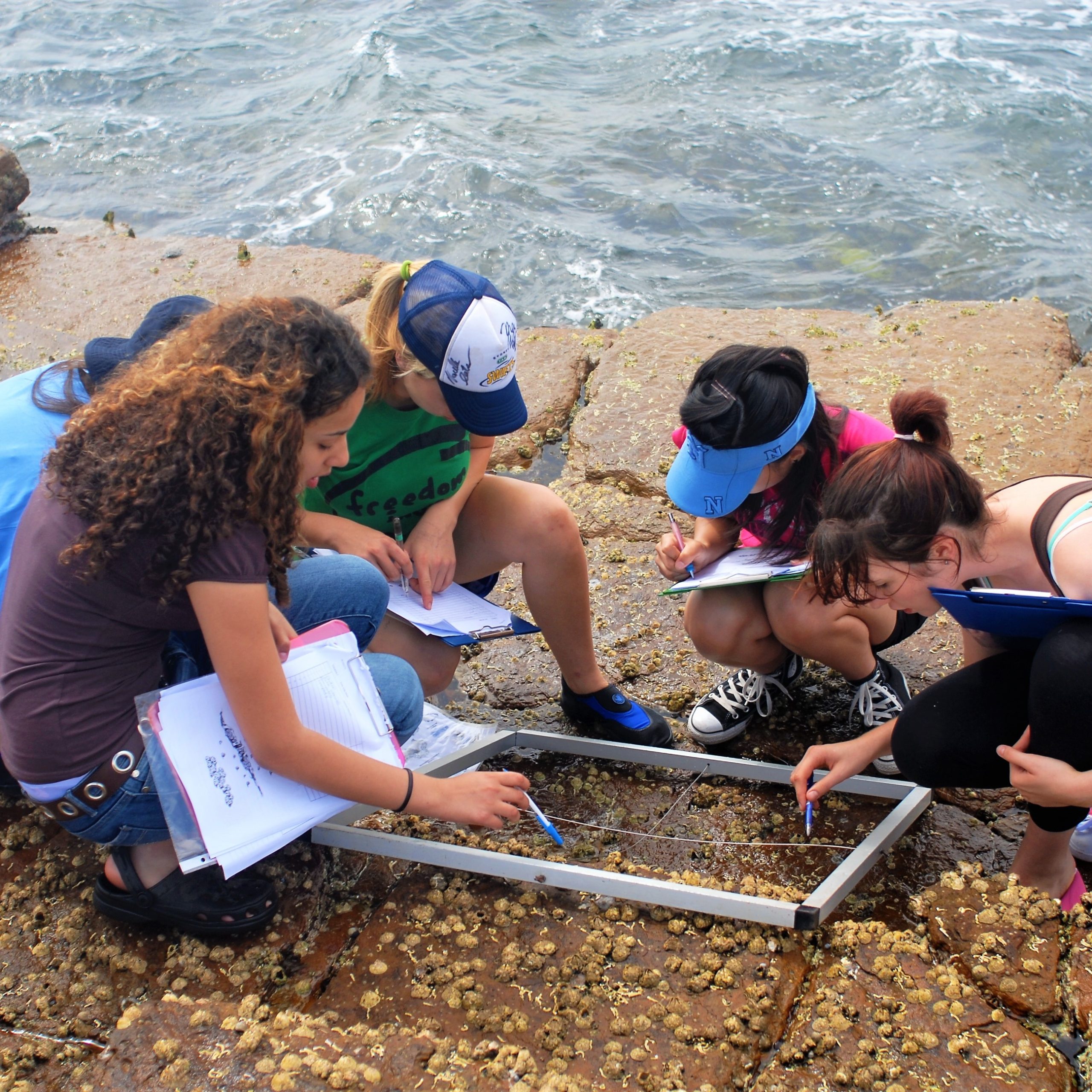
Since 1984 Auseco has been providing excursions designed to meet the fieldwork requirements for NSW Education Standards Authority (NESA) Board Developed and Board Endorsed courses, and for the International Baccalaureate Diploma Programme.
Our field trips cater for small classes or up to 180 students in one day, depending on the year group and location.
Discover our Field Study excursions
Primary
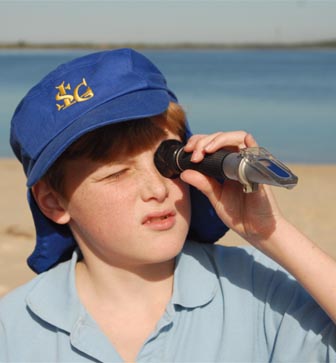
Bring your classroom outdoors with our cross-curricular Primary excursions.
With play-based investigations and hands-on activities, students can engage with the natural world.
Science
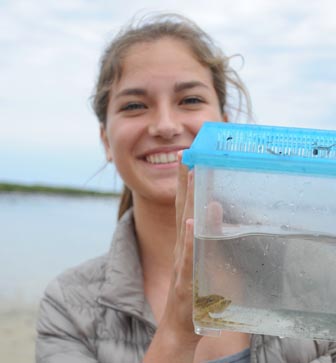
Get your hands dirty with our range of secondary Science excursions!
Students encounter organisms and examine environmental conditions to build on their understanding of ecosystems.
Geography
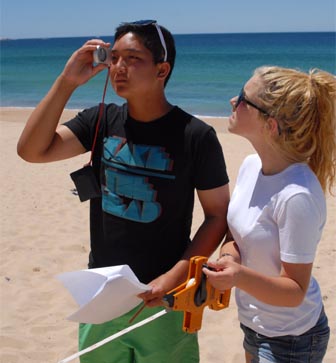
Geography comes alive in the field with an Auseco excursion!
Secondary students translate their classroom knowledge into real-world investigations with data collection, observations and case studies.
Latest news from Auseco
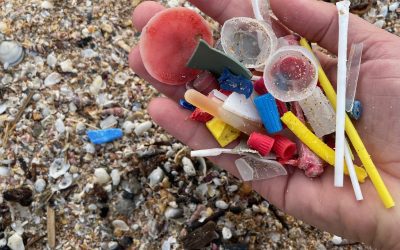
New Stage 4&5 Science programs for 2026
Are you ready for the new 7-10 Science Syllabus? Auseco's excursions to align with the new Stage 4 and 5 topics are ready to preview now, ahead of teaching in 2026. We have two combined excursions for each Stage which feature two topics in a single, awesome day out in...
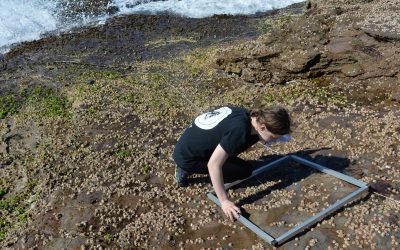
New programs for IB in 2025
We have released new field trips for the 2024 Environmental Systems & Societies IB (Diploma Programme) syllabus. Embed field techniques into high-calibre learning with opportunities to survey biotic and abiotic factors, identify flora and fauna, and conduct...
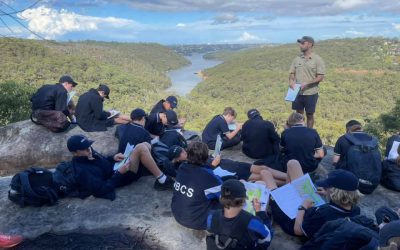
Changes to Mt Keira Scout Camp Excursions
Update from the rainforest: while our beloved Mt Keira Scout Camp is closed indefinitely for critical infrastructure repairs, we have secured the Kum Ba Yah Girl Guide camp right nearby as an alternative venue. It has great facilities and all the rainforesty...
The Auseco difference
Locations right across Sydney
We operate at a range of Sydney’s most scenic locations
Dedicated equipment & secondary data
We provide all the field equipment and secondary data for your day
Teacher’s pack with risk assessments
Comprehensive details are provided on what to expect for your excursion.
Experienced & engaging staff
Our expert guides come from a diverse range of backgrounds